10 true and false statements about Australian animals
Australia is home to some of the most interesting animals on Earth. Despite its reputation for being home to very dangerous animals (which is partially true), Australia’s fauna also consists of many interesting mammals, birds, marsupials and reptiles that are completely harmless. We have put together a list of True and False statements about some of the most famous Australian animals. Could you get it right?
1. Koalas are a type of bear
False. Koalas are marsupials. Marsupials are animals with pouches.
2. Sharks are most common cause of injury by marine life in NSW
False. Bluebottle stings are actually the most common form of injury caused by marine life in New South Wales.
3. Bilbies do not need water
True. Water is not crucial to a bilby's diet as they source moisture from food.
4. Platypuses can be venomous
True. All male Platypuses have a venomous spur on their back legs.
5. Spiders and snakes pose the biggest public health threat to Australia
False. Data collected by the University of Melbourne between 2000 and 2013 shows bees, wasps and other insects are responsible for just over one third of hospitalisations, while spider and snake bites are much rarer.
6. The Frillneck lizard inspired one of the dinosaurs from Jurassic Park
True. The creators of Jurassic Park were inspired by the Frillneck lizard when creating their version of a Dilophosaurus.
7. A wombat's poo is shaped like a cube
True. Wombat poo is cubic-shaped due to their long and slow digestive process.
8. Saltwater crocodiles are only found in Australia
False. They are also found in South-East Asia.
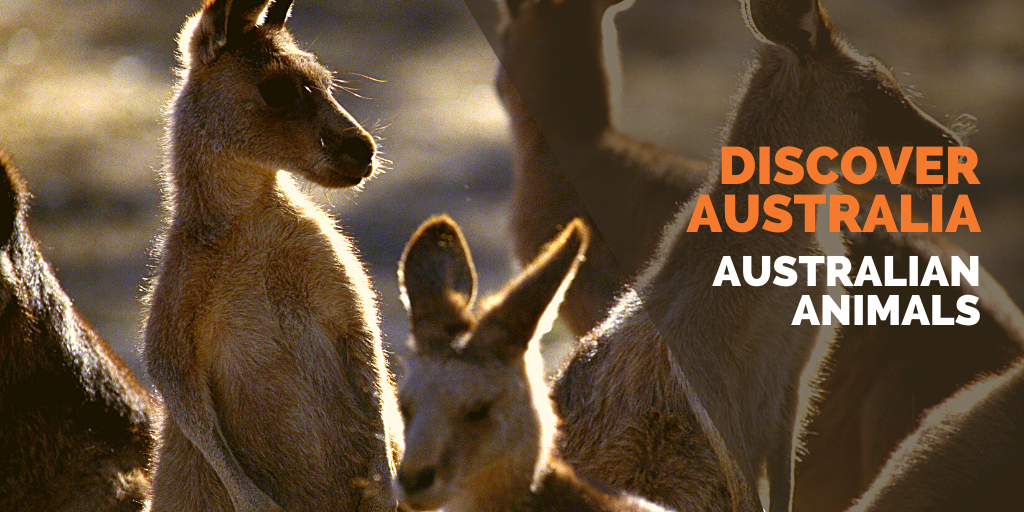
9. Kangaroos are everywhere, even on the streets
False. Although there is a big population of kangaroos in Australia, they usually live in wild and bushy areas. If you visit busy cities like Melbourne, Sydney or Brisbane, you won’t find them hopping everywhere.
10. Quokkas are always smiling
False. Although they look like they’re smiling, it’s just how their mouth is shaped. Quokkas open their mouths to pant when they get hot resulting in that little "smile" we see.